

Blog
3D Printed Houses in the Philippines: A Game-Changer in Construction

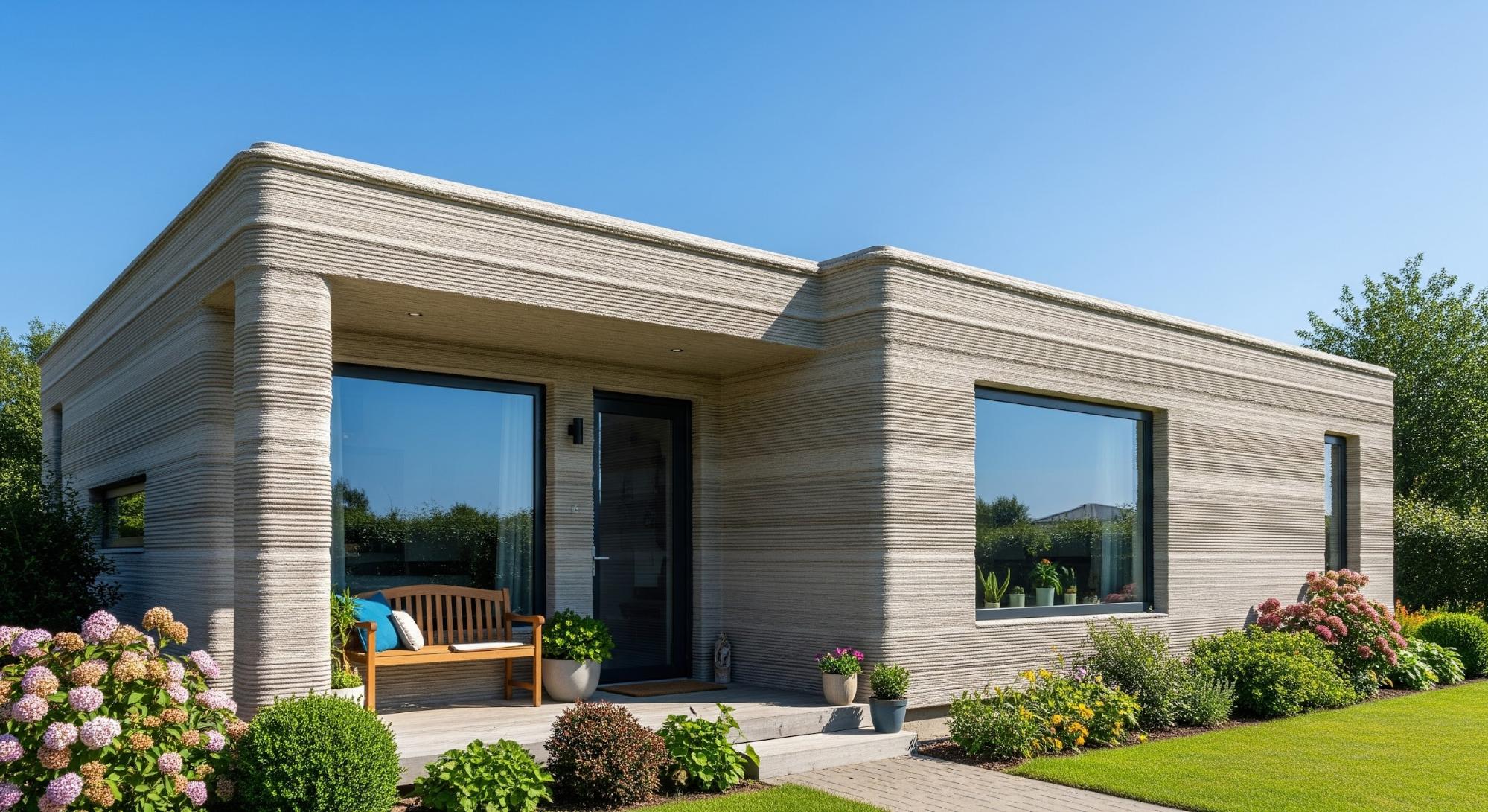
The construction landscape in the Philippines is evolving, and one technology is making waves — 3D printed houses. Imagine being able to build a home faster, cheaper, and more sustainably than traditional methods. Sounds like something from the future? Well, that future is already here.
Let’s explore why 3D printed houses in the Philippines have the potential to become a game-changer for Filipinos looking for affordable, eco-friendly homes.
On This Page
- What Are 3D Printed Houses?
- How 3D Printed House Differ from Traditional Homes
- Why 3D Printed Construction is Gaining Traction in the Philippines
- How Much Do 3D Printed Homes Cost in the Philippines?
- Challenges and Limitations of 3D Printed Houses in the Philippines
- Why You Should Consider 3D Printed Houses in the Philippines
- Why 3D Printed Homes Are Set to Revolutionize Housing in the Philippines
What Are 3D Printed Houses?
A 3D printed house is a home built using large-scale 3D printers that layer construction materials like concrete or composites to create walls and structures. This method automates much of the building process, making construction faster, more affordable, and often more environmentally friendly compared to traditional building techniques.
This technology isn’t just a gimmick; it’s a practical alternative that can speed up building times and reduce waste significantly.
How 3D Printed House Differ from Traditional Homes
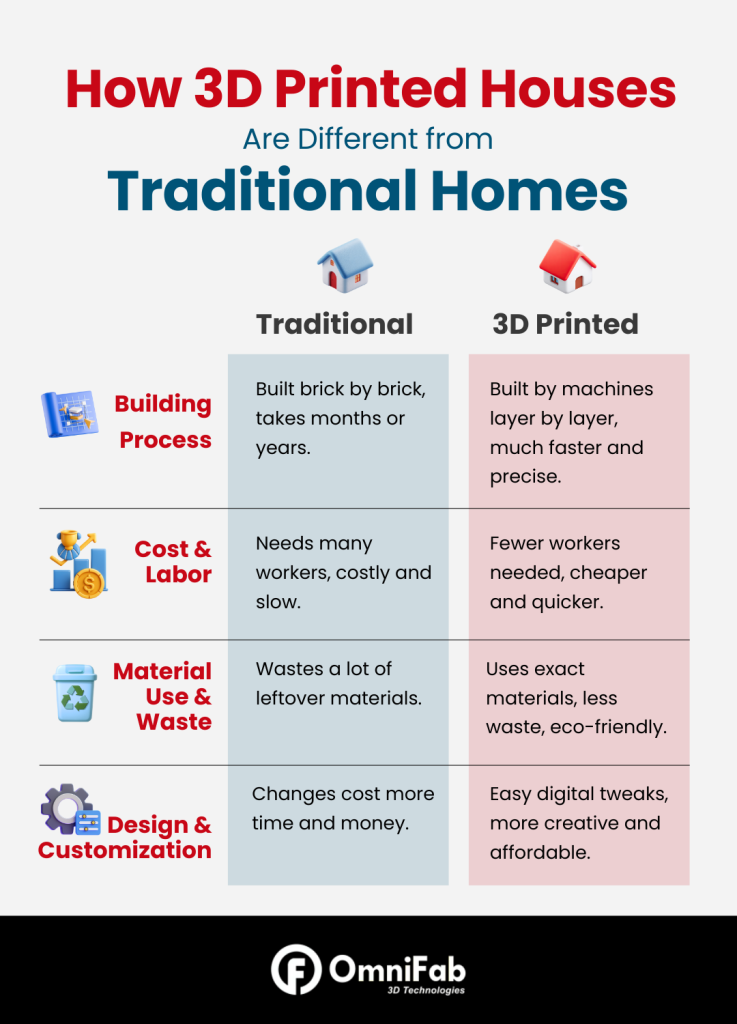
Understanding what sets 3D printed houses in the Philippines apart from traditional construction methods is key to appreciating their potential.
Related: 3D Printed Houses vs.Traditional Homes: Pros, Cons, and Major Differences
1. Building Process
Traditional homes are built brick by brick or block by block, with heavy reliance on manual labor. This process can take months, sometimes even years, depending on the size and complexity.
In contrast, 3D printed houses are created using automated printers that lay down building materials layer by layer, guided by precise digital blueprints. This speeds up construction dramatically and reduces human error.
2. Cost and Labor
Traditional construction requires large teams of workers, leading to higher labor costs and longer timelines. On the other hand, 3D printed construction in the Philippines minimizes labor needs because the machine does most of the heavy lifting. This results in lower costs and faster project completion.
3. Material Efficiency and Waste
Conventional building methods often generate significant waste through leftover materials and mistakes. 3D printing is far more efficient — it uses exactly the amount of material needed, significantly cutting down waste. This efficiency supports the push toward sustainable housing in the Philippines.
4. Customization and Design Flexibility
While traditional homes can be customized, changes often add to the cost and timeline. With 3D printing, designs can be adjusted digitally with relative ease, allowing for more creative architectural features without the usual cost spikes.
Why 3D Printed Construction is Gaining Traction in the Philippines
Fast, Efficient, and Cost-Effective
One of the biggest challenges in the Philippine housing market is affordability. Many Filipinos dream of owning a home, but are held back by the high costs of traditional construction. This is where affordable 3D printed homes in the Philippines come into play. Because 3D printing automates much of the building process, it cuts down on labor costs and material waste.
Builders can complete structures in a fraction of the time it normally takes, which means lower overall expenses passed on to homeowners.
Sustainability Matters
Environmental concerns are a growing priority worldwide, and the Philippines is no exception. The concept of sustainable housing in the Philippines is becoming increasingly important due to urbanization and climate challenges.
3D printed homes use less material and produce less construction waste, making them a greener option. Some companies are even experimenting with recycled materials or eco-friendly concrete mixes to further reduce the carbon footprint.
Tackling Housing Shortages and Disaster Resilience
The Philippines faces frequent natural disasters like typhoons and earthquakes, which highlight the need for resilient housing solutions. 3D printed houses can be designed with stronger, more durable materials that better withstand these forces.
Plus, because of the quick build time, they offer a faster response in disaster-hit areas, helping displaced families get shelter sooner.
How Much Do 3D Printed Homes Cost in the Philippines?
One of the most common questions is: “What about the price?” While the initial investment in 3D printing equipment can be high, the 3D printed homes cost in the Philippines is generally lower than traditional construction when scaled over multiple units.
- Labor Savings: Automation reduces the need for large construction crews.
- Material Efficiency: Precise printing reduces excess material use.
- Speed: Faster builds mean lower financing costs and earlier occupancy.
For instance, some pilot projects show that 3D printed houses can be built at nearly 30-50% less than comparable traditional homes, making it a highly attractive option for low- to middle-income Filipino families.
Challenges and Limitations of 3D Printed Houses in the Philippines
3D printed homes are still not widely known or fully understood in the Philippines, and like any new technology, they come with challenges. The use of 3D printed construction is still relatively new and faces:
- Regulatory hurdles: Building codes and permits need updating to accommodate new construction methods.
- Material availability: Local sourcing of suitable printing materials can be a challenge.
- Technical expertise: Skilled operators and maintenance of printing machines are required.
Why You Should Consider 3D Printed Houses in the Philippines
- Cost-Effectiveness: Lower construction costs could mean your dream home is more within reach.
- Environmental Impact: Choosing sustainable housing options helps preserve the environment.
- Durability: Homes that can better withstand natural disasters mean safety and peace of mind.
- Innovation: Supporting emerging technologies helps the local economy and job market evolve.
Why 3D Printed Homes Are Set to Revolutionize Housing in the Philippines
3D printed homes are transforming how affordable and sustainable housing is built in the Philippines. This innovative technology delivers faster construction, lower costs, and reduced material waste, making it a powerful solution to the country’s housing shortage. Future homeowners, builders, and tech enthusiasts alike need to understand 3D printed construction to embrace the next wave of housing innovation.
Learn about 3D printed houses in the Philippines and discover the future of homebuilding! Contact us today!