

 Authorized distributor of Tumaker
  Local warranty, training & support
  Serving the Philippines from Caloocan, Metro ManilaAuthorized distributor of TumakerLocal warranty, training & supportServing the Philippines from Caloocan, Metro Manila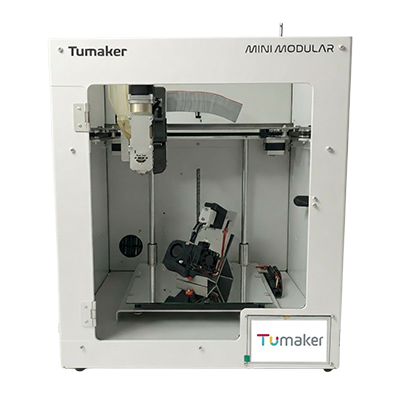
Tumaker Mini Modular
A compact professional printer with an interchangeable printhead — swap between pellet and filament extrusion on the same machine. Enclosed and filtered, with a 50 °C heated chamber, in a footprint that fits a shared workspace.
Build volume: 200 × 200 × 200 mm
Tumaker BigFoot 500 Modular
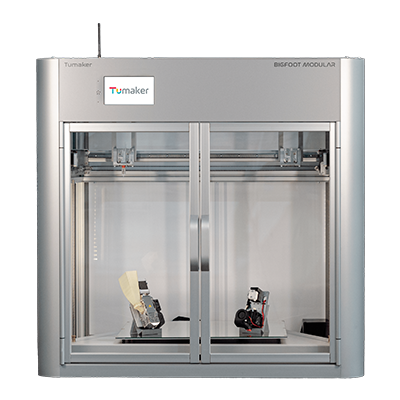
The 500 mm cube in modular form — single or dual interchangeable heads across pellet and filament, with an automatic pellet feeder option and a 44 dB noise level suited to workshops and research labs.
Build volume: 500 × 500 × 500 mm
Tumaker Mini Modular
A compact professional printer with an interchangeable printhead — swap between pellet and filament extrusion on the same machine. Enclosed and filtered, with a 50 °C heated chamber, in a footprint that fits a shared workspace.
Build volume: 200 × 200 × 200 mm
Tumaker BigFoot 500 Modular
The 500 mm cube in modular form — single or dual interchangeable heads across pellet and filament, with an automatic pellet feeder option and a 44 dB noise level suited to workshops and research labs.
Build volume: 500 × 500 × 500 mm
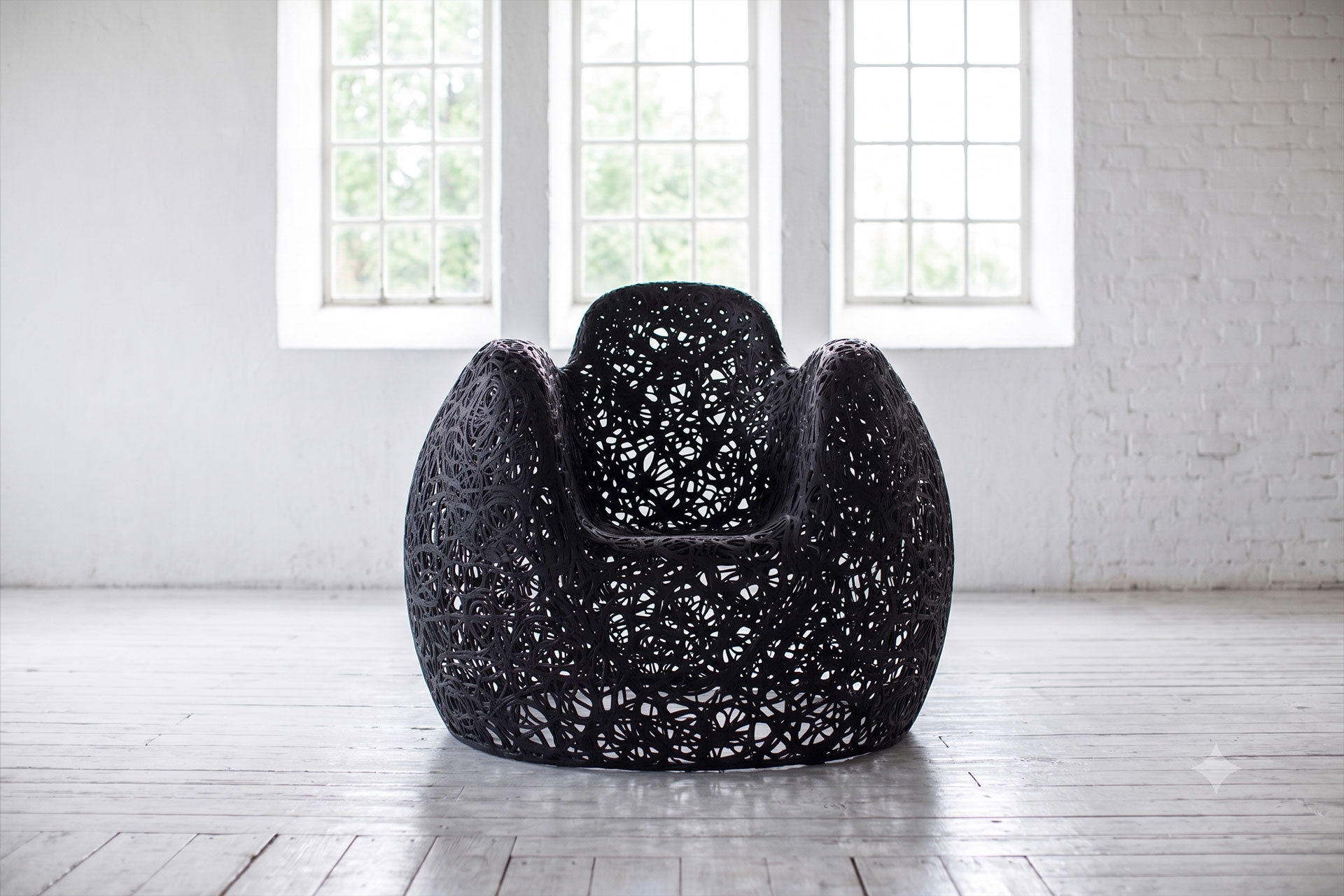
Pellet 3D printer prices in the Philippines depend on build volume and printhead configuration — a compact 200 mm machine and a 500 × 500 × 500 mm industrial system sit at very different price points. The bigger saving is ongoing: raw pellets cost far less per kilogram than spooled filament, so the more you print, the faster the machine pays for itself. Contact OmniFab for a quote based on your parts and volume.
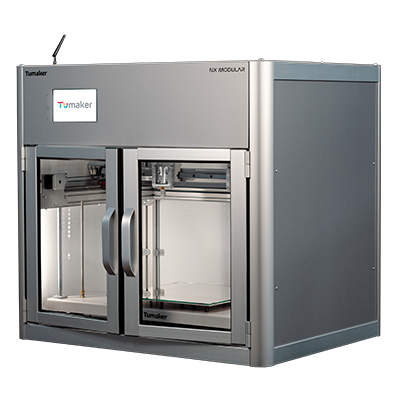
Start with the size of the part you need to make. The Tumaker Mini Modular (200 × 200 × 200 mm) suits compact spaces and first-time pellet users; the NX 300 Modular (300 × 300 × 250 mm) handles mid-size parts with one or two interchangeable heads; Tell us your part size, material, and volume and we’ll recommend the right fit.
Tumaker’s pellet extruders are qualified for standard thermoplastics (PLA, ABS, ASA, PETG, PP, PVC), flexibles (soft TPU, SEBS), engineering polymers (PC, nylon with 30% glass fibre, PC/ASA), high-performance materials (PEI Ultem, PEKK), fibre-reinforced compounds (PP and PC with carbon fibre, ABS+CF), and specialty pellets including Catamold 316L sinterable stainless steel, Ceramic Al2O3, wood-filled, and magnetic ferrite and neodymium compounds. Recycled pellets and regrind also run directly. Recommended pellet size is circular, 3 to 5 mm in diameter.
OmniFab’s Tumaker range goes from 200 × 200 × 200 mm on the Mini Modular up to 500 × 500 × 500 mm on the BigFoot 500 Modular.
Yes. Feeding recycled polymer pellets or regrind directly into the extruder is one of the main advantages of pellet printing, and every Tumaker pellet head supports it. It lowers material cost and supports circular manufacturing, which is why universities and sustainability-focused manufacturers often choose pellet systems over filament.
Yes. The Tumaker Mini Modular, NX 300 Modular, and BigFoot 500 Modular use interchangeable printheads, so you can swap between pellet and filament extrusion on the same machine. The NX 300 Modular and BigFoot 500 Modular also run dual-head configurations, including pellet plus filament or pellet plus pellet.
Yes. OmniFab is a Philippine distributor based in Caloocan, Metro Manila, serving clients across the country. Every machine includes consultation, delivery, installation, operator training, and after-sales support, so your team is producing parts rather than troubleshooting hardware.
Yes, and it often is. Pellet printers pair well with filament printers, 3D scanners, CNC machines, and filament-making equipment in a single facility. OmniFab plans and equips complete fab labs for universities, innovation centres, and company R&D teams, including installation, training, and ongoing support.
Pellet 3D printer prices in the Philippines depend on build volume and printhead configuration — a compact 200 mm machine and a 500 × 500 × 500 mm industrial system sit at very different price points. The bigger saving is ongoing: raw pellets cost far less per kilogram than spooled filament, so the more you print, the faster the machine pays for itself. Contact OmniFab for a quote based on your parts and volume.
Start with the size of the part you need to make. The Tumaker Mini Modular (200 × 200 × 200 mm) suits compact spaces and first-time pellet users; the NX 300 Modular (300 × 300 × 250 mm) handles mid-size parts with one or two interchangeable heads; Tell us your part size, material, and volume and we’ll recommend the right fit.
Tumaker’s pellet extruders are qualified for standard thermoplastics (PLA, ABS, ASA, PETG, PP, PVC), flexibles (soft TPU, SEBS), engineering polymers (PC, nylon with 30% glass fibre, PC/ASA), high-performance materials (PEI Ultem, PEKK), fibre-reinforced compounds (PP and PC with carbon fibre, ABS+CF), and specialty pellets including Catamold 316L sinterable stainless steel, Ceramic Al2O3, wood-filled, and magnetic ferrite and neodymium compounds. Recycled pellets and regrind also run directly. Recommended pellet size is circular, 3 to 5 mm in diameter.
OmniFab’s Tumaker range goes from 200 × 200 × 200 mm on the Mini Modular up to 500 × 500 × 500 mm on the BigFoot 500 Modular.
Yes. Feeding recycled polymer pellets or regrind directly into the extruder is one of the main advantages of pellet printing, and every Tumaker pellet head supports it. It lowers material cost and supports circular manufacturing, which is why universities and sustainability-focused manufacturers often choose pellet systems over filament.
Yes. The Tumaker Mini Modular, NX 300 Modular, and BigFoot 500 Modular use interchangeable printheads, so you can swap between pellet and filament extrusion on the same machine. The NX 300 Modular and BigFoot 500 Modular also run dual-head configurations, including pellet plus filament or pellet plus pellet.
Yes. OmniFab is a Philippine distributor based in Caloocan, Metro Manila, serving clients across the country. Every machine includes consultation, delivery, installation, operator training, and after-sales support, so your team is producing parts rather than troubleshooting hardware.
Yes, and it often is. Pellet printers pair well with filament printers, 3D scanners, CNC machines, and filament-making equipment in a single facility. OmniFab plans and equips complete fab labs for universities, innovation centres, and company R&D teams, including installation, training, and ongoing support.