

Blog
How Does 3D Printing Help People With Disabilities?

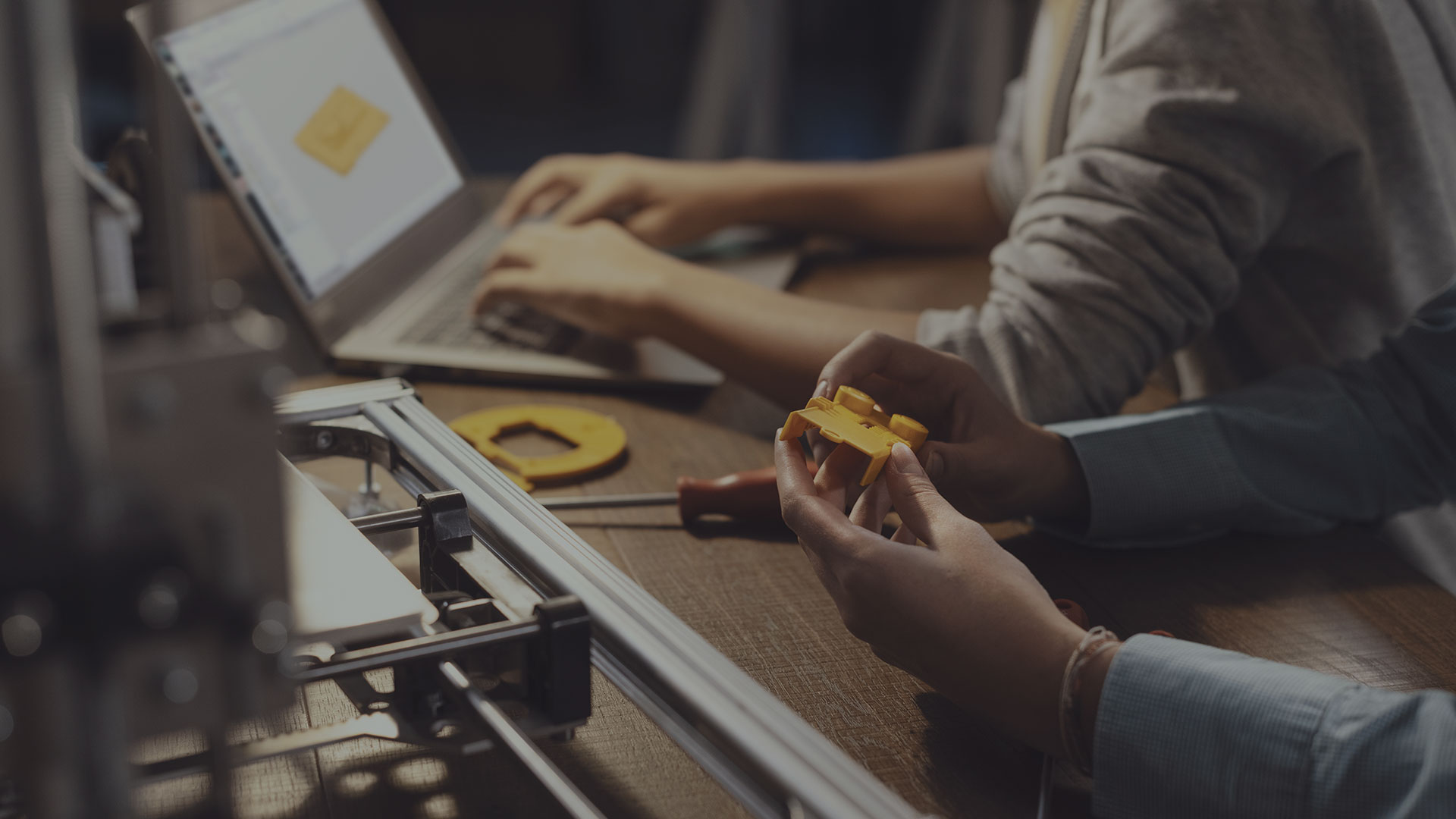
Over the past few years, 3D printing for people with disabilities has transformed the way assistive solutions are designed and produced. As the technology continues to evolve, it is revolutionizing industries while making a meaningful difference in the lives of individuals with unique needs. From customized prosthetics to adaptive devices, 3D printing is creating more personalized, accessible, and affordable solutions that enhance comfort, independence, and overall quality of life. For example, the growing adoption of 3D printing in the Philippines is making these innovations more accessible to healthcare providers, educational institutions, and organizations developing assistive technologies for their communities.
In this article, we’ll explore how 3D printing is empowering people with disabilities and driving a more inclusive future through innovation.
On This Page
- Customized Prosthetics for Enhanced Comfort and Functionality
- Adaptive Devices Designed for Specific Needs
- Affordable and Accessible Solutions
- Rapid Prototyping for Iterative Design
- Independence Through Customized Solutions
- Educational Opportunities and Skill Development
1. Customized Prosthetics for Enhanced Comfort and Functionality
Though traditional prosthetics are helpful devices, they can still come with limitations in terms of fit, comfort, and functionality. 3D printing, on the other hand, has changed the game by allowing the creation of personalized prosthetic limbs tailored to the individual’s unique anatomy. This level of customization ensures a better fit, increased comfort, and improved functionality, ultimately providing users with a more natural and empowering experience.
2. Adaptive Devices Designed for Specific Needs
Every disability comes with its own set of challenges, and what works for one person may not be suitable for another. But the good news is that 3D printing enables the fabrication of adaptive devices that cater to specific needs. Whether it’s a modified utensil for someone with limited hand mobility or a specialized tool for those with visual impairments, the adaptability of this technology allows individuals with disabilities to have access to tools designed to make their daily lives easier.
3. Affordable and Accessible Solutions
One of the remarkable aspects of 3D printing is its cost-effectiveness, while traditional methods of manufacturing customized assistive devices can be expensive and time-consuming. It offers a more cost-effective alternative, making it possible for a wider range of people to access personalized solutions. This standardized technology ensures that individuals with disabilities, regardless of their financial situation, can benefit from the advantages of 3D-printed assistive devices.
Related: The 5 Must-Know Benefits of 3D Printing
4. Rapid Prototyping for Repetitive Design
The repetitive nature of design is crucial when it comes to creating assistive devices, and 3D printing allows for rapid prototyping, enabling designers to quickly iterate and refine their creations based on user feedback. This design process guarantees that the final product is not only functional, but also user-friendly and well-suited to the unique needs of the individual.
5. Independence Through Customized Solutions
For many individuals with disabilities, achieving independence is a significant milestone. 3D printing contributes to this goal by providing customized solutions that empower users to navigate their daily lives with greater autonomy. Whether it’s a custom wheelchair accessory or a tool for independent communication, 3D-printed solutions contribute to fostering self-reliance and confidence.
6. Educational Opportunities and Skill Development
The accessibility of 3D printing technology has created opportunities for educational programs aimed at individuals with disabilities. Learning to design and create using 3D printing fosters skill development and opens doors to potential careers in various fields. This educational aspect provides practical benefits, and at the same time contributes to the broader goal of inclusivity in the workforce.
Related: 3D Printing in Education: The 6 Essential Benefits
3D printing is not only a game-changer for various businesses coming from different industries, but it also extends even to people with disabilities – as it offers personalized solutions that enhance comfort, functionality, and overall quality of life. From customized prosthetics to adaptive devices designed for specific needs, the impact of 3D printing is profound. This technology is not just creating assistive devices; it’s fostering independence, empowering individuals, and paving the way for a more inclusive future.
Looking to develop custom solutions that improve lives? Find affordable 3D printing services in the Philippines for prototypes, assistive devices, and functional products.